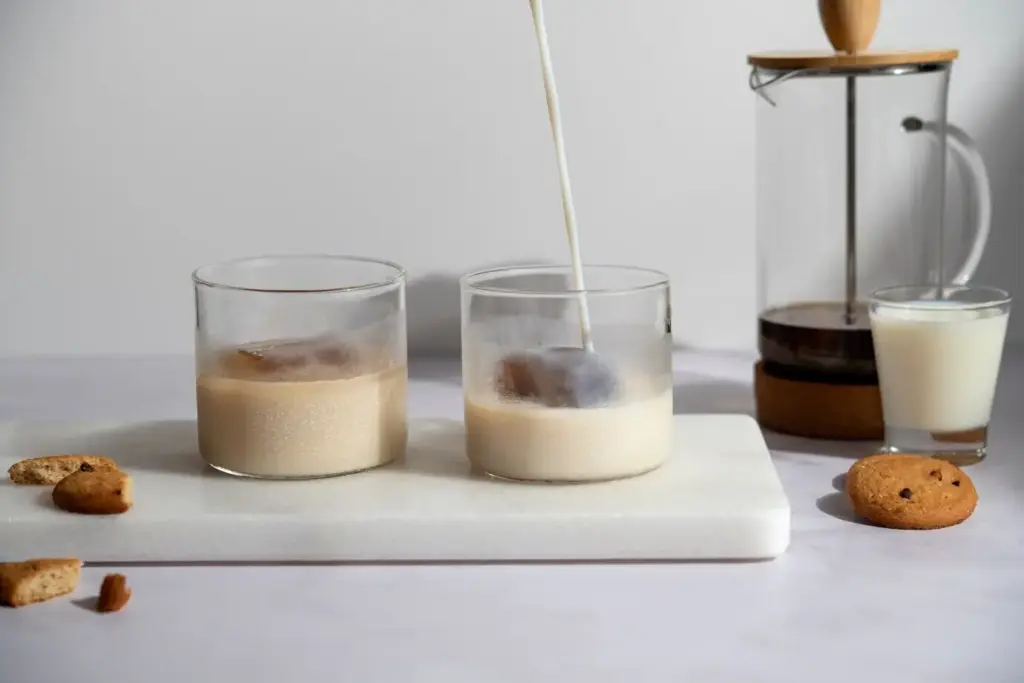
Brew Boldly, Waste Less at Home

Welcome! Today we explore waste-free brewing at home by comparing espresso, French press, and pour-over. You will discover practical habits that cut paper, plastic, and water use while protecting nuanced flavor. We will share maintenance routines, smart equipment choices, and everyday tricks that prevent needless sink shots and leftover sludge. Expect stories from small kitchens, clear steps for cleaner routines, and ideas for reusing grounds responsibly. Join the conversation, tell us what works in your space, and help shape a more sustainable daily cup without sacrificing joy, aroma, or crema.

Understanding Waste in Your Daily Cup

Before changing gear or recipes, map where waste actually comes from. Espresso, French press, and pour-over each produce different streams: filters, packaging, rinsing water, energy, and the spent grounds themselves. By tracing every step from kettle to cleanup, you can set realistic, measurable goals that respect taste. Think about seconds of faucet time, grams of retention in your grinder, standby power, and disposable accessories. When you see the full picture, reducing waste feels empowering rather than restrictive, and every small habit shift begins adding up to flavorful, visible progress.

Visible And Invisible Waste Streams

Paper filters, plastic coffee bags, and purged water are obvious, yet invisible losses matter too: heat wasted from overfilled kettles, grind retention going stale inside burr chambers, and repeated sink shots from rushed dialing. Track these for a week across espresso, French press, and pour-over. Note how many filters you use, how often you rinse, and how many grams get binned. Once counted, small tweaks—single-dosing, careful preheating, and mindful pours—can cut waste dramatically without touching the delight of your morning ritual.

A Quick Home Setup Audit

Lay out your brewer, kettle, grinder, scale, and cleaning tools. For espresso, observe how long the machine idles and how often you backflush. For French press, note grounds disposal and mesh maintenance. For pour-over, check how much water you actually heat versus use. Weigh a typical dose before and after grinding to reveal retention. Keep a jar for paper filters to visualize weekly volume. This simple audit clarifies where to start: reduce overfilling, time heat cycles, tune grind, and plan cleaning routines that save both water and effort.

Espresso Without the Footprint

Espresso can be exceptionally efficient when dialed with intention. Refillable baskets and bottomless portafilters eliminate disposables, while smart warm-up schedules slash idle energy. Puck prep tools reduce sink shots, saving beans and time. Backflushing with measured volumes and occasional citric acid descaling keeps water use in check and extends machine life. We will focus on consistent dosing, grind adjustments, and temperature stability that deliver tasty shots first time. Aim for repeatable rituals, purposeful purges, and responsible puck reuse, turning a high-performance method into a low-waste, everyday pleasure.

Dial-In With Precision, Dump Less

Use a scale under the cup and timer on your grinder, then adjust one variable at a time until taste aligns. Try distribution tools and a consistent tamp to avoid channeling. Keep a small notebook or app log: ratio, time, yield, and notes. This steadies your path to reliable extractions, dramatically reducing sink shots. Consider single-dosing to minimize retention and stale purges. With a repeatable routine, those messy early attempts fade, and every gram pulls toward a delicious result rather than the drain.

Cleaning Routines That Save Water

Backflush on a schedule, not impulsively. Use a measured shot glass for detergent cycles and a short, controlled series of rinses. Wipe the shower screen with a damp cloth after sessions instead of flushing repeatedly. When possible, capture warm rinse water in a small basin for cooling and secondary uses like soaking portafilters. Regular gasket care and timely descaling reduce future deep cleans. A little discipline keeps valves healthy, tastes clear, and water bills modest, proving cleanliness can coexist with conservation beautifully.

Responsible Puck Reuse And Disposal

Knock pucks into a ventilated container and let them dry. Add to compost, mix into soil as a light mulch, or sprinkle sparingly around plants that appreciate gentle acidity. Some people dry pucks for deodorizing containers or scrubbing pots with a soft cloth. Avoid drains, as grounds can clog plumbing. If composting, blend with browns like paper scraps to balance moisture. With mindful handling, yesterday’s espresso supports tomorrow’s herbs, closing a satisfying loop without sacrificing the convenience or flavor you love.

French Press: Simple, Circular, Satisfying

A French press naturally avoids disposable filters, relying on a reusable metal mesh that lasts for years. You can brew larger batches to share or refrigerate for iced coffee, reducing repeated heating cycles. Cleaning can be nearly waterless when you sweep grounds into a container before rinsing. Pair with a grinder that manages fines to reduce sludge, and adjust steep time and agitation gently to highlight sweetness. When finished, compost grounds and wipe the carafe with a spatula. This classic method aligns effortlessly with waste-conscious routines.

Pour-Over With Respect For Planet And Palate

Pour-over gives extraordinary control, yet it often hides paper waste and rinse water. Choose a metal or cloth filter to skip disposables, or compost oxygen-bleached papers after use. Pre-rinse sparingly when needed, measuring water instead of guessing. Heat only what you’ll pour, and keep kettles covered to retain energy. Precise blooms, steady flow, and even beds prevent channeling that can send brews down the sink. With small, mindful adjustments, clarity and sweetness soar while your trash and utility footprint quietly shrink.

Grinders, Beans, And Packaging That Respect Resources

Many losses start before water touches coffee. Grinders with low retention and sharp burrs minimize stale purges. Single-dose workflows end the habit of clearing old grounds each session. Buy beans from local roasters offering refill stations or returnable containers. Choose airtight tins you can weigh easily and clean. Store portions in the freezer for longer freshness, opening only what you need. Mindful purchasing reduces plastic, frees shelf space, and keeps flavors vibrant, so you brew confidently rather than compensating for staleness with wasteful retries.

Water, Energy, And The Long View

Brewing’s environmental impact includes heating water, machine standby, and product lifespan. Heat only what you need, and use lids or insulation to retain energy. Smart plugs or timers warm equipment just in time. Capture rinse water for secondary tasks when safe. Descale regularly to maintain efficiency and prevent early failures. Choose repairable tools and replace gaskets and screens before they cascade into bigger problems. Over months, these steady habits reduce bills, landfill contributions, and frustration, turning daily coffee into a quietly restorative routine.
Fukakeferovomepokufi
Privacy Overview

This website uses cookies so that we can provide you with the best user experience possible. Cookie information is stored in your browser and performs functions such as recognising you when you return to our website and helping our team to understand which sections of the website you find most interesting and useful.