
Less Waste, Better Coffee: Buy Beans Bulk, Refill, and Return
Welcome! Today we’re exploring buying coffee beans with minimal packaging through bulk bins, refills, and returnable containers, so you can savor fresher cups while shrinking your footprint. Expect practical tips, honest stories, and easy steps that respect quality, hygiene, and convenience. Bring a jar, learn tare tricks, discover local programs, and join a growing community proving that delicious coffee and responsible choices can live happily in the same morning ritual.
From Bin to Brew: A Quick Journey
Imagine walking into a neighborhood roaster, scooping fragrant beans into a clean jar, and heading home with nothing but flavor. That direct path minimizes disposable materials, streamlines logistics, and keeps more of your budget supporting skilled roasting instead of packaging. The ritual feels tactile and rewarding, reinforcing mindful choices each time you twist the lid. With clear labels and knowledgeable staff, you gain confidence and connection, replacing crinkly bags with a simple clink of glass and the promise of brighter, livelier cups.
Waste Counts: Numbers You Can Taste
Every avoided single-use bag reduces upstream production, printing, adhesives, and end-of-life handling. While exact figures vary by region and roaster, aggregate reductions add up quickly in busy neighborhoods where coffee flows daily. Less packaging also means fewer storage complications at home, fewer clips and clutter, and a tighter focus on roast date and bean turnover. Over time, the attention you invest in minimizing waste mirrors the care roasters put into sourcing and profiling, creating a cup where integrity, transparency, and flavor shine brighter together.
Finding Bulk Beans Near You
Locating dependable bulk or refill options starts with a few smart searches and conversations. Check roastery taprooms, coop groceries, zero-waste shops, and weekend markets. Ask about roast dates, turnover speed, sanitation practices, and whether staff can tare customer containers. Many roasters trial refill pilots quietly, so a friendly question can reveal hidden perks like discounted refills or deposit jars. Bookmark a couple reliable sources near home and work, then rotate visits based on freshness cycles. Consistency plus curiosity leads to outstanding, low-waste coffees every week.
Where to Look First
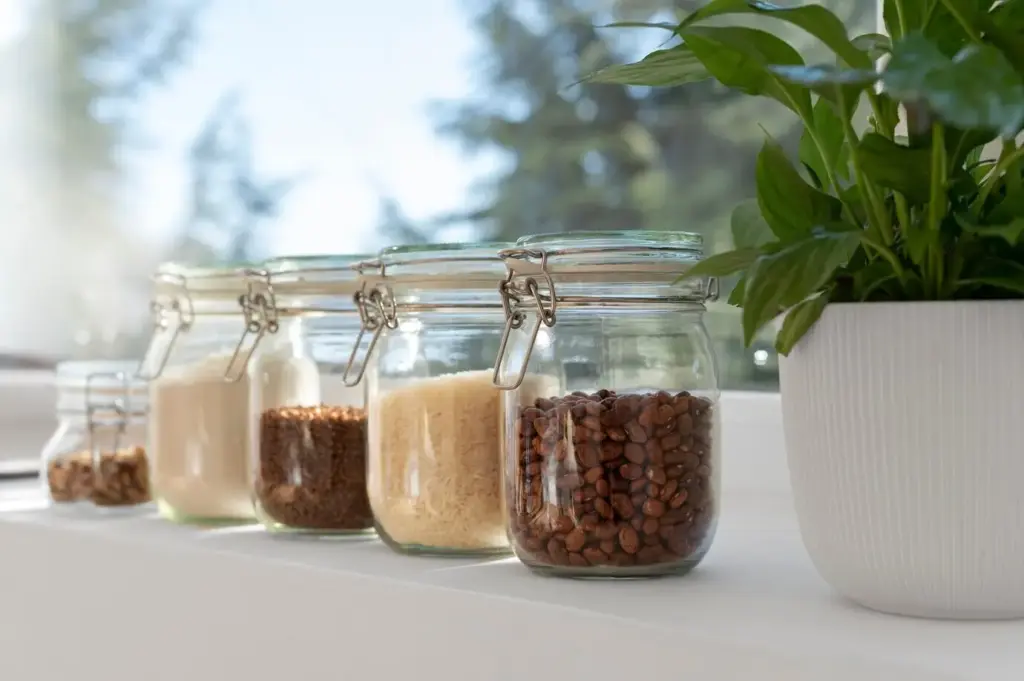
Start with your favorite roaster’s retail counter; many have quiet refill setups behind the espresso machine or in the corner near grinders. Food cooperatives often maintain well-labeled bulk bins and helpful staff. Zero-waste boutiques sometimes partner with roasters, offering seasonal selections and deposit jars. Farmers’ markets provide direct connections to microroasters using simple, returnable packaging. A quick call or message can save a trip, and local coffee forums often maintain updated maps. Keep notes on hours, refill etiquette, and container compatibility to streamline every visit.
Questions Worth Asking
Polite, specific questions build trust and help you buy confidently. Ask how frequently bins are cleaned, which sanitizers are used, and whether cross-contamination is prevented. Inquire about roast dates, degassing windows, and how often beans rotate. Clarify container policies, including tare procedures and staff training. If a deposit system exists, learn return windows and credit methods. Finally, ask about grind-on-demand options for refill programs. The answers reveal a shop’s care for quality, hygiene, and transparency, ensuring your jar leaves filled with freshness and peace of mind.
Bring-Your-Own Container Like a Pro
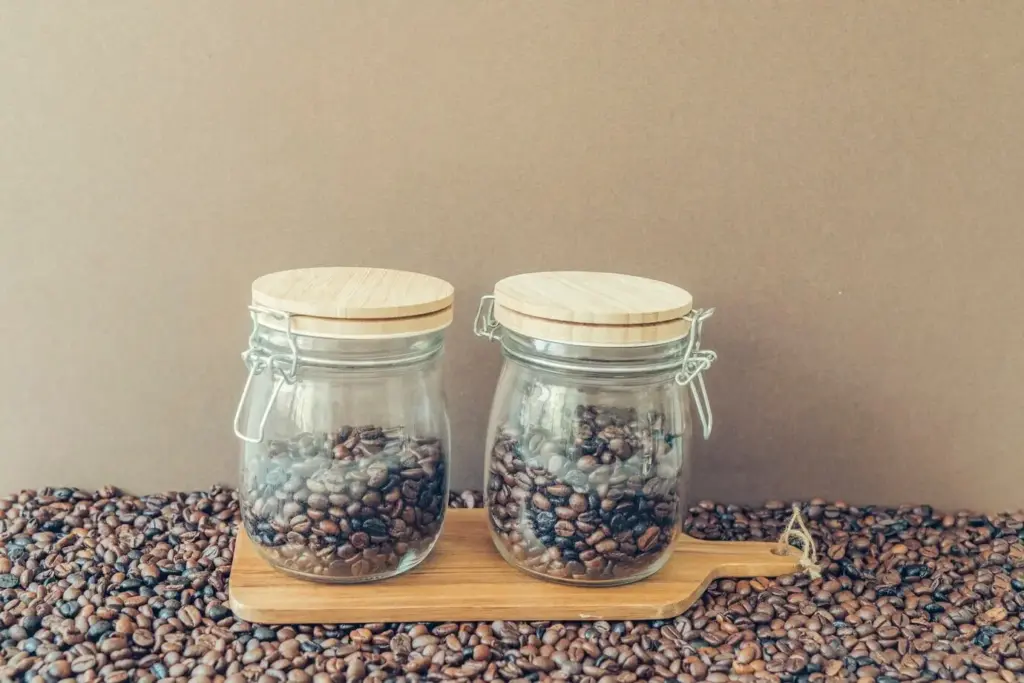
Mastering the art of BYO containers makes refilling smooth, sanitary, and stylish. Choose durable materials—glass or stainless steel—with tight seals that resist odors and moisture. Labeling is essential for roast dates and weights, while consistent tare weights prevent confusion. Keep spare jars in your bag or car so spontaneous refills are easy. A simple cloth bag prevents chips and clatter. Clear etiquette—offering your container open and clean—builds trusting relationships with staff. With small habits, your routine stays fast, friendly, and impeccably fresh.
How the Loop Works Day to Day
Picture picking up a sturdy canister, already spotless and labeled with roast date and lot details. You pay the deposit, brew happily all week, then return the empty during your next visit. Staff scan or note the return, credit your deposit, and hand you another filled container. In the background, industrial washing and inspection keep standards high. You save time on cleaning, the roaster saves packaging, and the system runs quietly. Familiar routines, predictable credits, and reliable cleanliness encourage ongoing participation without added mental load.
Real-World Examples and Lessons
Many small roasters experiment with jar swaps, neighborhood pickup points, or collaborations with zero-waste stores. Consistency is crucial: clear signage, defined return windows, and fair deposits prevent confusion. Customers appreciate visible cleanliness cues and transparent processes. Lessons learned include durable lid choices, distinct labels that survive washing, and standardized sizes for efficient shelving. When programs solicit feedback, participation grows. These examples show that circular packaging thrives when it respects taste, time, and trust, proving quality coffee can coexist with ambitious reductions in single-use materials.
Making It Work With Your Routine
Treat returns like milk runs: place the empty container with your keys or tote so it leaves the house automatically. Pair returns with errands near the roaster to keep trips purposeful. If schedules vary, choose programs with flexible hours or partner retailers. Track deposits in your notes app or rely on digital credits for clarity. Keep one extra container to bridge timing gaps. Most importantly, celebrate the simplicity—return, refill, enjoy—and notice how easily circular habits blend into busy weeks without sacrificing the joy of great coffee.
Returnable Containers and Deposits
Returnable jars and canisters deliver convenience with a circular twist. You pay a small deposit, take home freshly filled, professionally cleaned containers, and return them later for credit or a swap. Programs vary: some use QR codes, others simple paper punch cards. The best maintain strict sanitation standards, high turnover, and clear communication. For you, it removes guesswork on tare and cleaning, and for roasters, it streamlines branding while reducing waste. This easy loop lets you enjoy premium beans while keeping materials circulating responsibly and efficiently.
Freshness and Storage When Buying in Bulk
Minimal packaging shines when you manage freshness intentionally. Buy amounts you’ll brew within a few weeks, and divide larger refills into smaller, airtight containers. Keep beans cool, dark, and dry, away from heat sources and sunlight. For longer storage, freeze in portioned, sealed containers you’ll open only once, reducing oxygen exposure and condensation. Label clearly with roast date and freeze date. Let portions warm sealed before opening to avoid moisture. With a simple system, your jar routine protects aromatics and ensures consistent, vibrant cups day after day.

Flavor Discovery Without the Waste
Exploring new coffees doesn’t require piles of empty bags. Ask for smaller refill amounts, share jars with friends, or join tasting events at roasters and markets. Keep a simple cupper’s notebook to track brews, parameters, and impressions. Rotate profiles—washed, natural, honey—without overbuying. Embrace curiosity while honoring freshness windows by portioning and freezing when appropriate. The result is a steady parade of flavors, less clutter, and more learning. You’ll refine your palate, support local businesses, and inspire others to taste widely while leaving less behind.
Sample Smarter
Instead of committing to large quantities, purchase modest refills to compare profiles side by side. Ask staff about recent arrivals and peak windows. If your shop permits, split a refill across two jars so you can evaluate roast development over time. Brew the same coffee with different methods to map versatility. Keep notes on extraction notes, tactile feel, and finish. Sampling smartly protects freshness, saves budget, and accelerates your learning, making each new refill a focused opportunity rather than a gamble with fading aromatics.
Cupping at Home or In-Store
Cupping demystifies flavor. Many roasters host informal tastings; bring a clean spoon and curiosity. At home, a simple protocol—coarse grind, measured doses, blooming, breaking crust, consistent slurps—reveals fruit, florals, and structure without packaging distractions. Invite a friend, compare notes, and calibrate. Use identical water and temperature to keep variables fair. With refill samples, you’ll quickly identify profiles you adore and those you can skip. This habit channels your spending toward coffees you truly love while reinforcing mindful, low-waste buying patterns.
Share, Swap, and Learn Together
Community makes low-waste coffee joyful. Split refills with neighbors, trade remaining portions after a week, and compare brews. Post your jar setups, tare tips, and storage tricks to inspire others. Ask your roaster about starting a refill loyalty board or jar library. Subscribe to our updates, leave a comment describing your local refill spots, and tell us what obstacles you faced. Together, we’ll map resources, celebrate small wins, and grow a culture where outstanding coffee and thoughtful habits reinforce each other every single day.
All Rights Reserved.