
Plastic‑Free Coffee Storage for Peak Freshness
Today we dive into plastic‑free coffee storage to preserve freshness and prevent waste, turning everyday routines into thoughtful, flavorful rituals. Expect actionable tips, science explained simply, and practical setups using glass, stainless steel, and ceramic so your beans stay vibrant, aromatic, and protected without disposable clutter. Share your setup, ask questions, and help others enjoy better coffee while sending less to the landfill.

Why Freshness Fades and How Plastic Accelerates It
Great coffee begins a countdown the moment beans are roasted. Oxygen dulls delicate aromatics, CO2 escapes, and volatile compounds drift away. Plastics can trap smells, leach unwanted notes, and invite inconsistent seals that speed staling. By understanding oxidation, degassing, and environmental stressors, you’ll see why non‑plastic materials with tight lids, proper darkness, and stable temperatures give beans their best chance to sing in the cup longer.
Glass Jars Done Right
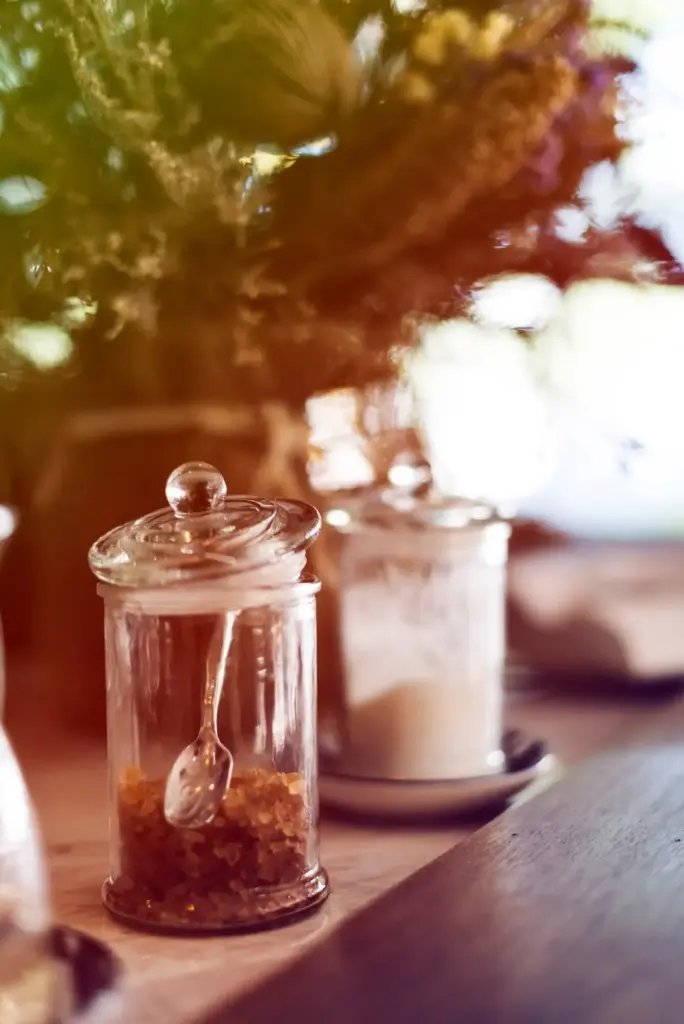
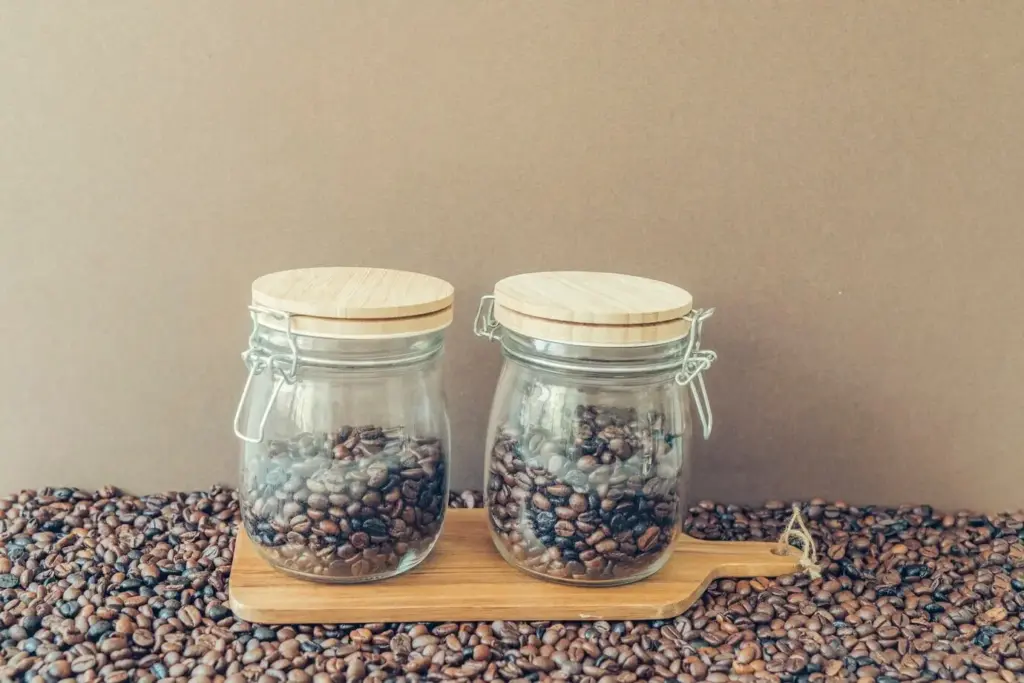
Glass is beautifully neutral and easy to clean, but visibility invites light exposure. Use amber glass, store in a dark cabinet, or slip on a reusable sleeve. Look for robust bail lids with replaceable natural rubber gaskets that truly compress. Match jar volume to weekly consumption, keeping it filled to curb oxygen. When perfectly sealed, glass honors origin character, protects oils, and simplifies quick visual checks without sacrificing flavor integrity.
Stainless Canisters with Real Muscle
Food‑grade stainless steel blocks light, resists odors, and handles daily bumps. Seek canisters with metal bodies and quality non‑plastic gaskets or long‑lasting silicone if acceptable in your practice, plus solid latching mechanisms that withstand frequent openings. Internally, smooth seams help cleaning and prevent residue build‑up. Pair multiple compact canisters for rotation and smaller headspace. Stainless delivers professional resilience and reliably tight closures, keeping beans protected and your countertop sleek, tidy, and purposeful.
Ceramic Crocks and Valve Tins
Thick ceramic shields against temperature swings and light, providing calm conditions for fragile aromatics. Choose lids that seal confidently, with dependable gaskets you can replace. For freshly roasted beans, tins with one‑way valves can vent CO2 without inviting oxygen. Prioritize tins lined with inert, non‑plastic coatings wherever possible. Keep sizes practical for weekly use, label roast dates, and store cool. These options combine heritage charm with modern performance and low‑waste, long‑lived convenience.
Smart Buying, Portioning, and Refills Without Waste
Waste‑wise coffee starts before storage. Buy whole beans in quantities you can finish within weeks, refill into durable containers, and skip throwaway packaging. Many roasters encourage jar refills or offer bulk bins with sanitary scoops. Divide beans into smaller, airtight containers to minimize repeated exposure. Maintain a simple log of roast dates and consumption pace to fine‑tune purchase volumes. Thoughtful planning means tastier cups, fewer stale leftovers, and dramatically less landfill impact.
Whole Bean Over Ground, Always
Grinding unlocks aroma but accelerates staling dramatically by increasing surface area. Keep beans whole until just before brewing and enjoy better flavor, improved crema, and balanced extraction. Invest in a quality burr grinder and store beans in small, airtight, non‑plastic containers. This habit reduces waste because fewer brews disappoint. By purchasing whole beans and grinding fresh, you extend shelf life, boost daily satisfaction, and respect the craft behind every careful roast.
Bulk Buys Without Plastic Guilt
If you love deals, buy in bulk strategically. Bring lidded glass or stainless containers to participating roasters, request paper over plastic when necessary, and transfer beans promptly at home. Split the haul into several small, airtight containers to limit air exposure during routine use. Label each with roast date and farm details to stay engaged with origin stories. Bulk done thoughtfully lowers cost and packaging waste without sacrificing the bright, nuanced flavors you crave.
Portion Control for Daily Brewing
Daily convenience matters. Pre‑portion weekly amounts into compact containers sized for two or three brews, keeping the rest sealed tightly away. This reduces repeated opening and helps you track inventory. Use a simple marker system or removable labels to rotate easily. You’ll waste fewer stale beans, brew consistently, and maintain a tidy bar. Share your portioning wins with our readers and inspire clever, plastic‑free rhythm for calmer mornings and reliable flavor.
Seals, Valves, and Oxygen Control
Airtight really matters. Seek lids with firm compression and durable, replaceable gaskets that resist odors and maintain elasticity. Natural rubber and certain long‑lasting, inert alternatives can serve well when carefully selected. One‑way valves shine with freshly roasted beans still degassing, but aren’t a cure‑all for staling. Use small containers, fill them up, and open less often. Thoughtful control of oxygen beats complicated gadgets and protects flavor with simple, dependable, plastic‑free discipline.
Choosing Gaskets that Last
Inspect gaskets periodically for cracks, odor retention, or compression fatigue. Replace with high‑quality, compatible options designed for your container’s lid system. A reliable gasket preserves vacuum‑like tension and minimizes oxygen leaks, directly extending bean vibrancy. Keep spare rings on hand, clean them gently, and avoid harsh detergents. This unglamorous habit pays dividends in clearer flavor, steadier crema, and consistent bloom, while sparing you from disposable bags and forgettable, underperforming closures.

Manual Air Removal Tricks
Without plastic, you can still reduce trapped air. Fill containers fully, tamp gently to settle beans, and choose narrow forms that limit headspace. If your setup allows, use manual displacement techniques safely to nudge out excess air. Always keep lids spotless and dry for perfect seals. These small steps compound into significant freshness gains, minimizing oxidation while keeping your workflow simple, repeatable, and grounded in thoughtfully chosen, long‑lived, inert materials.
Care, Cleaning, and a Waste‑Free Routine
Clean containers keep flavors clear. Wash glass, stainless, and ceramic with fragrance‑free soap or hot water, then air‑dry completely to avoid trapped moisture. Deodorize lingering smells with baking soda or a quick coffee‑ground refresh reserved for cleaning. Keep a simple date‑label system, practice first‑in‑first‑out rotation, and gift surplus beans before they fade. Share photos of your setup, subscribe for seasonal guides, and swap tips that keep both taste and conscience bright.
A neutral container is a flavor sanctuary. Sprinkle baking soda, let it sit, then rinse thoroughly. For stubborn films, use a warm water soak with a little vinegar, followed by a long, open‑air dry. Avoid scented detergents that imprint fragrances. Clean gaskets separately, ensuring no residue clings. Regular upkeep prevents cross‑contamination and preserves delicate florals, cocoa notes, and fruit tones. The payoff is consistency, confidence, and less temptation to toss disappointing brews.
Simple labels transform chaos into calm. Note roast date, origin, and the container’s first‑opened day. Place newer beans behind older ones and schedule check‑ins to finish containers before decline. Track what you buy versus what you drink, adjusting quantities to match reality. This gentle discipline prevents waste, protects flavor, and teaches your palate. Post your system in the comments, inspire newcomers, and help refine a community of mindful, plastic‑free coffee lovers.
All Rights Reserved.